
Key Steps in Assessing Commercial Properties for Safety

Updated: Jul 30, 2025
Assessing the safety of commercial properties is a crucial task for property owners, investors, and tenants alike. Ensuring that a property is safe not only protects the well-being of individuals on-site but also safeguards investments and maintains compliance with local regulations. In this blog post, we will explore several key steps in assessing commercial properties for safety, providing practical information and actionable recommendations.
Understanding Commercial Property Inspections
Before delving into the specifics of property assessment, it is essential to grasp the importance of commercial property inspections. A thorough inspection can uncover potential hazards, evaluate compliance with safety codes, and identify necessary repairs or improvements. Property inspections typically encompass various areas, including structural integrity, fire safety, electrical systems, etc.

Investors and property managers can significantly benefit from routine inspections, as they provide a roadmap for maintaining safe and functional environments. Regular examinations can also mitigate risks, leading to decreased insurance premiums and enhanced property values.
Key Steps for Safety Assessment
Assessing commercial properties involves a systematic approach. The following key steps can help ensure that essential safety measures are taken.
Step 1: Initial Walkthrough and Evaluation
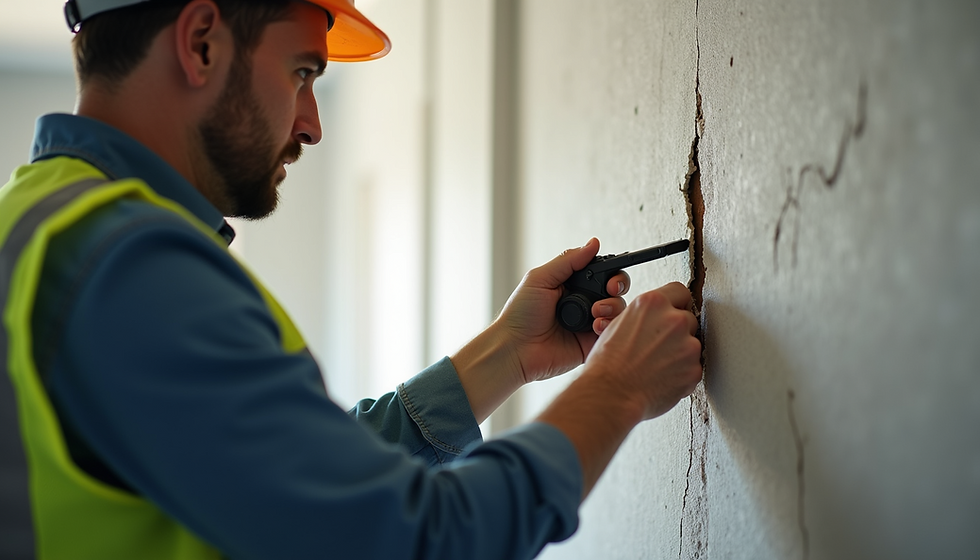
The first step in assessing a commercial property is conducting an initial walkthrough. This overview allows the inspector to observe the general condition of the building and identify obvious hazards. Look for signs of wear and tear, such as:
Cracks in walls and ceilings
Stains from leaks or water damage
Broken windows or doors
Deteriorating sidewalks and driveways

During this phase, it’s vital to jot down notes and take photographs of any concerning areas, as these images can serve as visual documentation for further evaluation.
Step 2: Engaging Qualified Professionals
While a thorough walkthrough is valuable, hiring qualified professionals for specific evaluations ensures comprehensive safety checks. For instance, certified inspectors typically assess key areas such as:
Electrical Systems: Faulty wiring can pose significant fire hazards. Inspectors check for outdated circuitry, overloaded circuits, and the overall condition of electrical panels.
Plumbing Systems: Leaky pipes and backed-up drainage systems can lead to severe water damage and mold growth. Professional plumbers can determine the integrity of pipes and drainage systems.
HVAC Systems: Ensure that heating, ventilation, and air conditioning units are functioning correctly. A malfunctioning HVAC system can lead to poor indoor air quality.
Bringing in specialists not only enhances the inspection but guarantees compliance with local regulations and standards.
Step 3: Identifying Potential Hazards
Understanding potential hazards is critical in assessing the safety of a commercial property. Major issues can categorize into several key areas, including:
Structural Safety: Assessments should examine the building's foundation, load-bearing walls, and roof stability. Consider hiring a structural engineer for a deeper analysis if issues are suspected.
Fire Safety: All commercial properties must comply with local fire codes. Verify the presence and functioning of fire alarms, extinguishers, and sprinkler systems.
Environmental Hazards: Properties may face risks from hazardous materials like asbestos or lead paint. Conduct environmental assessments to identify any materials that could jeopardize health.
Proactively assessing these areas minimizes health and safety risks for occupants and visitors.
Step 4: Documenting Findings
After completing the assessments, it is crucial to document all findings thoroughly. Create a comprehensive report that should clearly detail:
Areas inspected
Any hazards discovered
Recommendations for repairs or improvements
Cost Estimates for those
Photos supporting the written documentation
Having a well-organized report helps property owners better understand the necessary steps to achieve a safer environment.

Step 5: Developing an Action Plan
Once potential hazards are identified and documented, develop an action plan to address the issues. This plan should include:
Timelines for repairs
Estimated costs
A list of professionals to contact for various repairs
Prioritizing urgent hazards first is essential, especially those that may pose immediate risks to health and safety.
Implementing Safety Enhancements
After addressing the identified issues, property owners should continually work towards enhancing safety by considering the following options:
Proactive Maintenance Schedule
Develop a preventive maintenance schedule that includes regular inspections and maintenance for various property systems — electrical, plumbing, HVAC, and more. Creating a timeline for routine checks can help manage risks before they escalate into more significant concerns.
Investing in Safety Technology
Investing in modern safety technology can significantly improve property safety. Consider installing:
Security cameras to monitor exterior and interior spaces.
Access control systems to manage who enters the building.
Smart fire alarm systems that alert the authorities automatically if a fire is detected.
Utilizing technology can enhance the overall security of your property significantly.
Training for Staff and Occupants
Conduct training sessions for all staff members and occupants on safety protocols. Key areas to cover should include:
Emergency evacuation procedures
How to report hazards
First aid training
Educating individuals about safety protocols encourages a proactive stance on safety within the building.

Keeping Up with Regulations
It is crucial to stay updated on evolving safety regulations and standards. Local building codes may be updated, and it is the property owner's responsibility to ensure that their property remains compliant. Regularly consulting with local authorities or safety professionals can keep you informed.
In conclusion, taking the right steps to assess the safety of commercial properties benefits everyone involved. By understanding the importance of regular inspections and implementing a comprehensive safety strategy, property owners can create safe working environments and protect their investments, making safety a priority for everyone on-site.
For further insights and to delve deeper into how your property measures against safety standards, consider scheduling commercial property inspections. By acknowledging the value of professional assessments, you can ensure the long-term safety and integrity of your commercial property.


Comments